The Evolution of Makeup Techniques: From Vintage Glam to Modern Minimalism
The Power of Makeup in Society
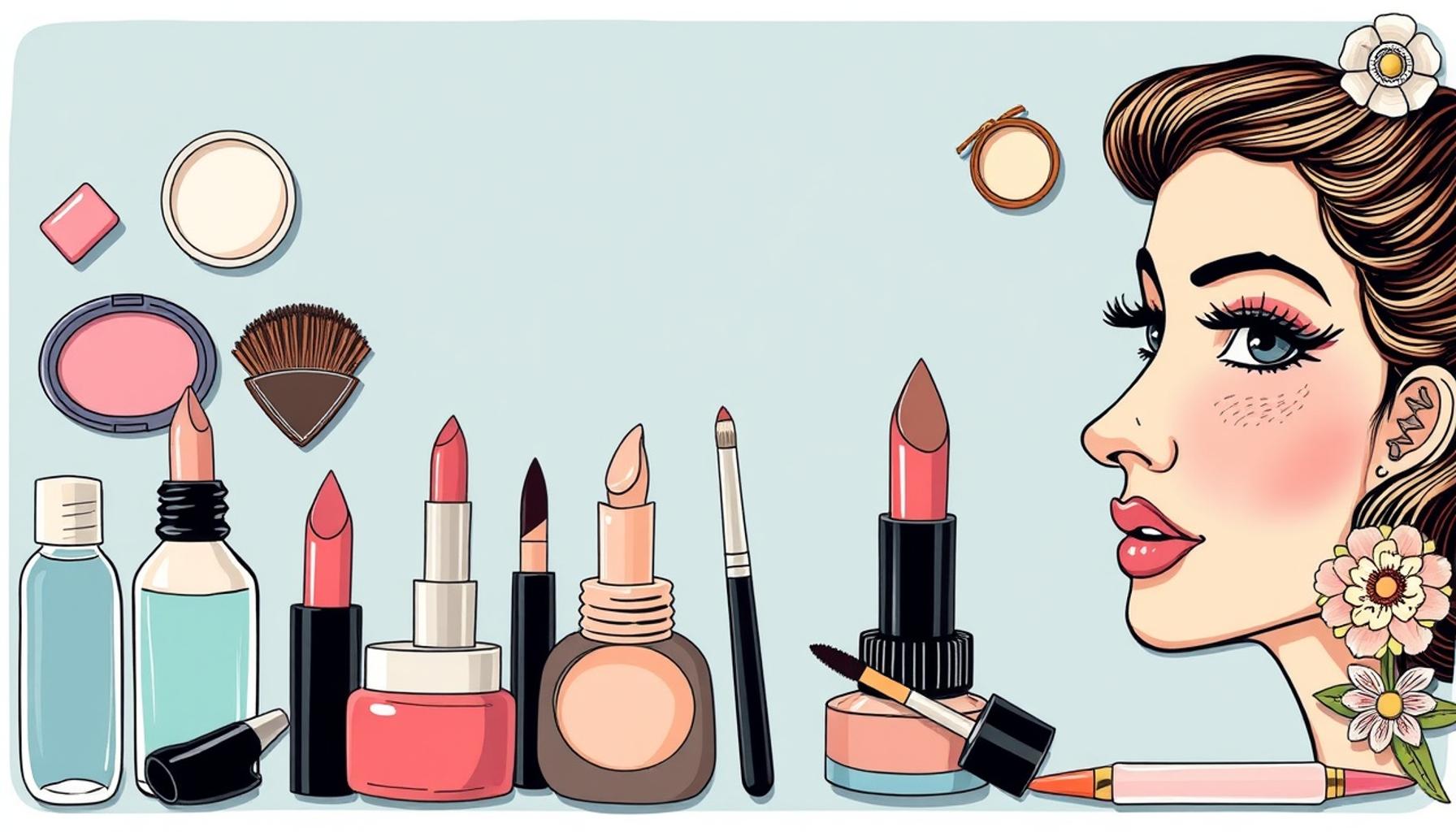
Cosmetics have played a significant role in shaping personal and cultural identities throughout history. Not merely a means to enhance appearance, makeup is a multifaceted tool of self-expression and societal commentary. As we peel back the layers, we uncover a narrative interwoven with themes of empowerment, rebellion, and evolution that mirrors the changing times.
Historical Highlights:
Makeup’s journey is marked by exhilarating highs and poignant reflections of societal norms. Each era has ushered in unique aesthetics and ideologies that resonate with the prevailing zeitgeist. Consider:
- 1920s Vintage Glam: This transformative decade was a celebration of women’s freedom post-World War I. The rise of the flapper symbolized a shift towards liberation and rebellion against traditional gender roles. Women experimented boldly with makeup, opting for vibrant red lipstick and dramatic eye shadows. Iconic figures like Clara Bow and Louise Brooks epitomized this look, making bold beauty a statement of independence.
- 1950s Elegance: The post-war era saw a return to femininity, characterized by the ideal of the ‘perfect housewife.’ Makeup reflected this zeitgeist, focusing on classic red lips and winged eyeliner, with stars like Marilyn Monroe and Audrey Hepburn setting trends. The look was polished and symmetrical, emphasizing the societal aspiration for perfection.
- 1990s Grunge: A counterculture movement defied established norms, showcasing a different approach to beauty. This era introduced a more rebellious spirit with dark lipstick, heavy eyeliner, and unkempt hair, emblematic of anti-establishment attitudes. Celebrities such as Courtney Love and Nirvana’s frontman Kurt Cobain became icons, challenging traditional beauty standards and advocating for a more authentic expression of self.
In stark contrast, today’s makeup trends signify a warming embrace of minimalism. As cultural consciousness shifts towards themes of authenticity and natural beauty, contemporary techniques reflect this evolution:
- Natural Skin: A focus on healthy skin has trumped the age-old practice of masking, with many opting for tinted moisturizers and beauty serums over heavy foundations. This trend embraces the skin’s texture, celebrating imperfections rather than concealing them.
- Subtle Accents: The vibrant hues of previous decades have transitioned to soft, pastel tones. This modern palette often utilizes earth tones, emphasizing radiant, glowing skin rather than bold applications.
- Inclusivity: Today’s beauty brands are increasingly recognizing and catering to diverse identities and skin tones. With the rise of brands like Fenty Beauty, which launched with a foundational line catering to over 40 shades, the beauty industry is making strides towards representation and accessibility.
Exploring the evolution of makeup techniques is more than a visual journey; it is a reflection of the shifting cultural landscape, societal values, and the exploration of personal identity. As beauty norms continue to evolve, one can only wonder: what stories will future generations tell about makeup and its powerful role in self-expression? Join us as we navigate through the captivating tale of beauty through the ages, highlighting the profound impact makeup has had on society and individual empowerment.
Beauty Through the Ages: A Closer Look at Makeup Techniques
The evolution of makeup techniques is a fascinating reflection of societal shifts, cultural ideals, and personal expression. As we trace the timeline of beauty practices from the glamorous 1920s to today’s minimalist approaches, we uncover how each era has contributed to the rich tapestry of makeup artistry.
1920s Vintage Glam: The Dawn of the Bold
The 1920s were pivotal in challenging conventions as women sought newfound freedom and independence after World War I. Makeup became a symbol of rebellion, with the flapper movement inspiring a bold aesthetic. Women applied signature red lipsticks to represent confidence and allure. The dynamic use of black eyeliner, paired with shimmering eye shadows, created dramatic looks that captured the essence of the Jazz Age. This flamboyant approach to beauty served as a declaration of self-expression amidst changing social dynamics.
1950s Elegance: The Rise of the Ideal
In stark contrast, the 1950s epitomized a return to traditional femininity. The concept of the “perfect housewife” took center stage, prompting a polished makeup style. Stars such as Marilyn Monroe and Audrey Hepburn set beauty benchmarks with their impeccably groomed eyebrows and crisply defined winged eyeliner. The signature red lip became a powerful symbol of sophistication and allure. Makeup techniques during this period focused on symmetry and flawlessness, showcasing a pursuit of idealized standards of beauty that resonated with societal expectations, emphasizing the importance of appearance in daily life.
1960s to 1990s: Experimentation and Rebellion
The subsequent decades continued to evolve, with each ushering in waves of experimentation and shifts in beauty standards. The 1960s introduced a more avant-garde approach, where oversized false lashes and bold eye makeup dominated the scene. This avant-garde ideal paved the way for the 1970s disco era, which celebrated vibrant colors and multi-faceted styles. By the 1990s, the grunge movement turned things around, embracing a raw and unpolished aesthetic characterized by dark lipsticks and heavy eyeliner, championed by artists such as Courtney Love. The makeup became an act of defiance, challenging conventional beauty norms. This palette redefined self-expression, encapsulating the spirit of authenticity over glamour.
Contemporary Trends: A Shift Towards Minimalism
Today’s beauty landscape has undergone a profound transformation as the focus shifts towards minimalism and authenticity. Modern makeup techniques celebrate healthy and radiant skin, favoring products such as tinted moisturizers and BB creams over thick layers of foundation. The emphasis is on showcasing natural beauty—embracing one’s skin texture and imperfections. Additionally, the palettes have evolved significantly, with contemporary trends leaning towards earth tones and subtle accents, often employing soft pastels that enhance rather than mask. Furthermore, the beauty industry has begun to recognize and cater to a diverse population, with brands focusing on inclusivity and representation.
As we delve deeper into the evolution of makeup techniques, it becomes clear that beauty is not merely a visual expression but a reflection of societal values and changes. Each decade has left its mark—shaping not only what is considered beautiful but also how individuals interpret and convey their identities through makeup.
The Shift to Minimalism
As we progress through the decades, the makeup industry has seen a pronounced shift from the elaborate and ornate styles of vintage glam to a more understated approach known as modern minimalism. This transition is driven by changing beauty standards, lifestyle choices, and a growing emphasis on natural beauty. The modern minimalist aesthetic emphasizes flawless skin and subtle enhancements rather than heavy layers of makeup, aligning with today’s preference for authenticity and simplicity.
Characteristics of Modern Minimalism
Minimalism in makeup often entails using fewer products that deliver maximum impact. Key features include lightweight formulas, sheer finishes, and an emphasis on skincare. Products designed for this aesthetic often carry added skincare benefits, such as moisturizers with tint or foundations enriched with hyaluronic acid. The trend has spurred the development of clean beauty products that are eco-friendly and free from harmful chemicals, appealing to a growing demographic aware of health and environmental issues.
Practical Applications
Modern minimalism allows individuals to express their unique styles without overwhelming complexity. Techniques such as strobing highlight the high points of the face for a radiant glow, while soft, muted lip colors create a fresh and approachable look. This approach has made makeup more accessible, allowing people to enhance their features without a professional’s touch.
The Role of Technology
The evolution in makeup techniques is also shaped significantly by technology. Social media and beauty influencers have changed how trends are disseminated, allowing for rapid sharing of new techniques and product recommendations. Platforms like Instagram and TikTok are filled with tutorials that support the minimalist philosophy, leading to widespread adoption of techniques that emphasize less is more.
Explore the Journey
The journey from vintage glam to modern minimalism showcases a fascinating evolution in beauty standards. With the right knowledge, anyone can navigate this landscape and find a makeup routine that resonates with their personal style while remaining true to the essence of being effortlessly beautiful.
| Category | Description |
|---|---|
| Vintage Glam | Ornate styles characterized by bold colors, dramatic eyes, and classic techniques. |
| Modern Minimalism | Focuses on enhancing natural features with lightweight products and a fresh, clean look. |
This transformative journey emphasizes how beauty techniques adapt to societal changes, reflecting our evolving values and preferences in self-expression through makeup.
From Bold to Bare: The Transformation of Beauty Ideals
As we navigate through the last two decades, the evolution of makeup techniques has seen a significant shift driven by various factors including technology, culture, and lifestyle changes. This metamorphosis highlights a clear movement from extravagant expressions of artistry to a more subdued and natural look, echoing broader societal shifts towards values of authenticity and wellness.
The 2000s: The Age of Excess
The early 2000s marked an era characterized by maximalist beauty trends. Influenced by pop culture phenomena and celebrity influencers, makeup styles embraced social media’s rise, where the glitz and glamour of Hollywood favorites like Paris Hilton and Beyoncé dictated trends. This period was noted for its obsession with the “cat-eye” eyeliner and heavy use of bronzers, extending the flirtation with all things bold and shiny. Lip glosses with tantalizing flavors became staples in young women’s beauty routines, often paired with glitter and metallic shades that screamed excess. Yet, beneath this flashy surface, there existed a growing discontent with unrealistic beauty standards perpetuated through media.
2010s: The Rise of Individuality
As the decade progressed, there was a gradual shift towards individuality paired with the rise of the “Selfie Culture”. Platforms such as Instagram and YouTube emerged as significant influencers in shaping beauty norms, leading to the popularity of beauty bloggers and makeup tutorials. This decade celebrated personal style and creativity, showcasing an array of makeup techniques that often pushed boundaries. Products like contour kits became a revolution, enabling the art of sculpting the face into an everyday practice for many. Additionally, the introduction of makeup lines that predominantly focused on diverse skin tones helped empower women of all backgrounds, marking a critical turn towards inclusiveness in the beauty industry.
Examining Minimalism: The New Norm
Fast forward to the late 2010s and early 2020s, where the emphasis on self-care and mental well-being prompted a decisive turn towards minimalism in makeup applications. Contemporary techniques now highlight a preference for sustainability and eco-conscious products, reflecting a societal desire for health and authenticity in beauty. With brands like Glossier and Fenty Beauty pioneering the movement, beauty enthusiasts are now prioritizing products that enhance rather than cover up. The trend of ‘no-makeup makeup’ offers that coveted fresh-faced appearance, where the focus lies on enhancing natural features, with tinted serums and cream formulas that provide a sheer wash of color.
Technology and Trends: Shaping Future Techniques
The influence of technology further transforms makeup methods. Innovations such as augmented reality in apps allow users to virtually try on products, revolutionizing how consumers engage with makeup. Data shows that by utilizing such technologies, users are more inclined to experiment without the commitment of purchase, thus promoting more adventurous choices in makeup. Moreover, the recent rise in clean beauty emphasizes health on both personal and environmental fronts. Brands are increasingly moving towards transparent ingredient lists and eco-friendly packaging, significantly shaping consumers’ purchasing decisions.
It is evident that as makeup techniques evolve, they continue to chart a course aligned with cultural dynamics, highlighting an ongoing conversation about beauty standards, self-identity, and personal choice. The next wave of beauty may very well redefine not just how we see ourselves, but how we connect with others in a world that is increasingly aware of authenticity and individual expression.
Conclusion: The Continuous Journey of Makeup Evolution
The journey of makeup techniques from vintage glam to modern minimalism encapsulates more than just a change in artistry; it reflects the evolving values and beliefs of society. As we have explored the drastic transformations from the bold, vibrant styles of the early 2000s to the current emphasis on authenticity and sustainability, it becomes clear that makeup is not merely an external adornment but a profound expression of self-identity.
Today’s embrace of minimalism, driven by a call for inclusivity and mental well-being, underscores a critical shift in how beauty is perceived. The remarkable rise of brands focusing on clean ingredients and eco-friendly practices not only caters to modern consumers’ desires but also challenges the industry to align itself with broader social and environmental issues. As technology continues to innovate, enabling unprecedented interaction and personalization, we find ourselves at the precipice of even more individualized experiences in beauty.
This ongoing evolution of makeup techniques suggests that future trends will likely shift towards even greater authenticity and personal expression. As beauty enthusiasts search for products that resonate with their values, the makeup landscape will remain a mirror reflecting both individual and collective aspirations. Understanding this dynamic landscape allows us to appreciate the importance of makeup as both a form of art and a tool for self-empowerment. As we forge ahead, the question remains: how will the next wave of beauty redefine not just our faces, but the connections we foster in a world ever craving authenticity and acceptance?

Linda Carter
Linda Carter is a writer and beauty expert specializing in skincare, self-care, and personal wellness. With extensive experience helping readers discover effective routines, trusted tips, and confidence-boosting practices, Linda shares her knowledge on our platform. Her goal is to empower readers with practical advice and thoughtful strategies to enhance their natural beauty, feel their best, and embrace a healthier, more confident lifestyle.