The Effects of Stress on Hair Health and How to Combat Them
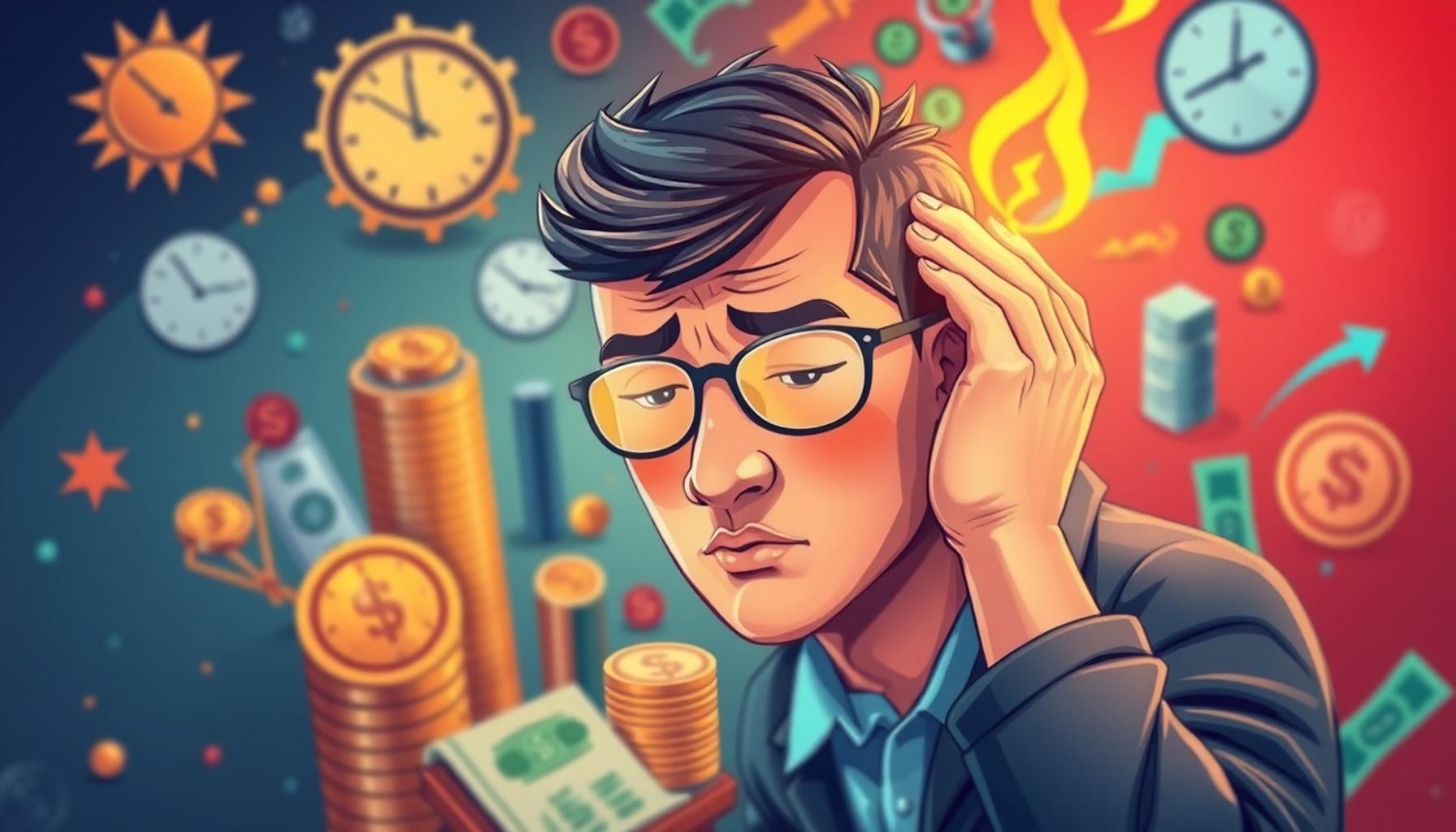
Exploring the Interconnection Between Stress and Hair Health
Today’s fast-paced lifestyle breeds a myriad of stressors—from demanding work schedules to personal responsibilities. While most people are aware of its mental health toll, the impact of stress on physical health, particularly in relation to hair health, is frequently underestimated. Stress can lead to profound changes in hair condition, influencing its strength, growth, and overall appearance.
The link between stress and hair health is not only evident but also demonstrable through several distinct conditions:
- Hair Thinning: One of the most common effects of chronic stress is a condition called telogen effluvium. In this instance, stress triggers a larger number of hair follicles to enter the resting phase of the hair cycle, leading to noticeable shedding. Individuals may find that when they wash or style their hair, they notice more strands coming out than usual, which can be alarming.
- Hair Loss: In more severe cases, stress can lead to alopecia areata, an autoimmune disorder where the body’s immune system mistakenly attacks hair follicles, resulting in bald patches. This can occur suddenly and is often linked to high-stress events such as the loss of a loved one or significant life changes.
- Dull and Lifeless Hair: Beyond hair loss, stress affects nutrient absorption in the body. When the body is under stress, it often prioritizes critical functions over others, which can hinder the delivery of essential vitamins and minerals necessary for hair vitality. As a result, hair may appear dull, frizzy, or lifeless, lacking the shine and health that can be achieved with proper care.
Addressing these issue requires a proactive approach. Understanding the detrimental effects of stress on hair can empower individuals to take actionable steps toward improvement. Here are effective strategies to combat stress and protect hair health:
- Mindfulness and Relaxation Techniques: Engaging in mindfulness-based practices such as meditation, yoga, or tai chi can significantly reduce stress levels. Incorporating just a few minutes of these activities into your daily routine can facilitate relaxation and promote mental clarity, ultimately benefiting your physical health as well.
- Healthy Diet: Nutrition plays a crucial role in hair health. A balanced diet that includes foods rich in omega-3 fatty acids, vitamin A, and biotin can contribute to stronger hair. For example, incorporating leafy greens, nuts, avocados, and salmon into your meals can provide the necessary nutrients for healthy hair growth.
- Regular Exercise: Physical activity is a powerful stress-reliever that releases endorphins, which can improve mood and reduce anxiety. Even simple activities, such as walking, jogging, or engaging in sports, can uplift your spirits and benefit overall health, including hair health.
In the upcoming sections, we will delve deeper into these stressors and explore various methods, both conventional and holistic, to ensure your hair remains robust and healthy despite the inevitable challenges life presents. From dietary adjustments to mindfulness techniques, we’ll provide you with insightful tips to reclaim your hair health and resilience. Stay tuned for invaluable, research-backed advice that can help you navigate the multifaceted relationship between stress and your hair!
The Biological Mechanisms Connecting Stress and Hair Health
Exploring the complex relationship between stress and hair health reveals a fascinating interplay of biological processes that can significantly affect our physical appearance and well-being. When the body encounters stress, whether from emotional, physical, or environmental sources, it initiates a cascade of physiological reactions. One of the most notable responses is the secretion of the hormone cortisol, which is often referred to as the “stress hormone.” Elevated cortisol levels can lead to profound changes within the body, influencing biological systems that govern hair growth and overall hair health.
The hair growth process is intricate and cyclical, typically involving three distinct phases: the anagen (growth), catagen (transitional), and telogen (resting) phases. Under ordinary conditions, about 85-90% of hair follicles are actively growing in the anagen phase, while only 10-15% experience the telogen phase. However, when an individual experiences heightened levels of stress, this balance is disrupted. A larger percentage of hair follicles can unexpectedly enter the telogen phase, leading to premature hair shedding. This phenomenon may go unrecognized until substantial hair loss becomes visible, often causing distress and further anxiety.
A particularly concerning effect of chronic stress is the potential for an autoimmune response, which can result in conditions like alopecia areata. This condition manifests as localized patches of hair loss and appears to be linked to stress-induced changes in immune function. Although the precise mechanisms remain elusive, numerous studies suggest that individuals with a history of stress may experience more frequent flare-ups of this autoimmune condition, leading to distressing visible changes in hair density.
Common Symptoms of Stress-Induced Hair Conditions
It is essential to recognize the symptoms of stress-induced hair conditions early on, as timely intervention can improve outcomes. Here are some key indicators to watch for:
- Increased Shedding: If you start noticing more than 100 strands of hair falling out each day, it could be a sign that stress is impacting your hair health.
- Bald Spots: Unexpected bald patches, particularly on the scalp, may be indicative of alopecia areata and warrant consultation with a healthcare provider.
- Dull Appearance: Hair that appears lifeless or lacks shine may indicate that stress is affecting nutrient absorption and overall vitality.
- Changes in Hair Texture: Stress can alter hair texture as well, leading to hair that is coarser or frizzier, which can be frustrating for individuals accustomed to a different texture.
Addressing these symptoms as they arise is vital for maintaining healthy hair. Importantly, managing stress effectively not only supports hair health but also contributes to overall physical and mental well-being. By integrating stress-reduction strategies—such as mindfulness, regular exercise, adequate sleep, and even engaging in creative activities—you can cultivate a holistic approach to wellness. In subsequent sections, we will thoroughly examine practical techniques that not only alleviate stress but also promote vibrant hair health, equipping you with tools to maintain a lustrous mane amidst life’s inevitable challenges.
The Impact of Stress on Hair Health
Stress can manifest in various physical symptoms, and one of the most visible effects is on hair health. When the body is under stress, it produces higher levels of hormones such as cortisol, which can disrupt the natural hair growth cycle. This disruption often leads to increased hair shedding and a condition known as telogen effluvium, where more hair follicles enter the resting phase prematurely.Additionally, stress can exacerbate existing conditions like alopecia areata, an autoimmune disorder that causes sudden hair loss. In such cases, the body’s immune system mistakenly attacks hair follicles, leading to patchy hair loss. This phenomenon highlights how stress is not just a mental burden but has tangible ramifications for physical appearance, making it paramount to address the underlying issues contributing to stress.
Combatting Stress-Related Hair Loss
To mitigate the effects of stress on hair health, adopting effective stress management techniques is crucial. Regular exercise can serve as a powerful tool to combat stress while promoting overall well-being. Physical activity releases endorphins, the body’s natural mood lifters, and can also boost circulation, delivering essential nutrients to the scalp.Incorporating mindfulness practices such as meditation, yoga, or deep-breathing exercises can also help manage stress levels. These practices not only calm the mind but can significantly improve emotional resilience, thereby protecting your hair from the harmful effects of stress.Furthermore, maintaining a balanced diet rich in vitamins and minerals such as biotin, zinc, and iron can bolster hair health. Foods like leafy greens, nuts, seeds, and lean proteins support healthy hair growth and assist in countering the negative impacts of stress.Overall, understanding the connection between stress and hair health empowers individuals to take proactive steps toward a healthier lifestyle, fostering not only better hair health but improved mental and emotional well-being as well.
Strategies to Combat Stress and Improve Hair Health
Understanding the detrimental effects of stress on hair health is only the first step; implementing effective strategies to manage stress is crucial for restoring your hair’s vitality and well-being. The good news is that there are numerous evidence-based techniques that can help mitigate stress and, in turn, promote healthier hair growth.
Mindfulness and Meditation
The practice of mindfulness and meditation has gained considerable attention for its ability to reduce stress and improve overall mental health. Engaging in just a few minutes of deep breathing or guided meditation each day can lower cortisol levels, promoting a sense of calm. Research indicates that individuals who regularly practice mindfulness report not just lower stress levels but also enhanced physical health, including better hair growth due to the improved regulation of hormonal balance.
Regular Exercise
Physical activity is another powerful antidote to stress. Exercise releases endorphins, the body’s natural mood elevators, leading to decreased stress levels and anxiety. Whether it’s a brisk walk, a vigorous workout at the gym, or engaging in yoga, incorporating regular exercise into your routine not only helps combat stress but also improves blood circulation, ensuring that hair follicles receive adequate nutrients and oxygen. This environment is essential for optimal hair growth and health.
Nutrition’s Role in Hair Health
Stress can impact how our bodies absorb nutrients, making a balanced diet vital for maintaining healthy hair. Consuming foods rich in omega-3 fatty acids, antioxidants, and vitamins such as A, C, D, and E can mitigate some damage caused by stress. Foods like fatty fish, avocados, nuts, and leafy greens should be staples in your diet. Additionally, avoiding excessive caffeine and sugar can prevent spikes in cortisol, further protecting hair from stress-related issues.
Sleep Hygiene
Adequate sleep is often underrated but is crucial for managing stress and supporting hair health. The body performs essential restorative processes during sleep, including hair follicle regeneration. Aim for 7 to 9 hours of quality sleep per night to allow your body to repair itself and maintain hormonal balance. Establishing a consistent sleep routine, creating a calming bedtime atmosphere, and minimizing screen time before sleep can greatly enhance sleep quality.
Seeking Professional Guidance
In cases where stress-induced hair loss becomes significant or persistent, seeking advice from professionals—such as dermatologists or therapists—can provide tailored solutions. Experts can offer treatments for conditions like alopecia areata and help uncover underlying causes of stress-related hair loss. Understanding your unique situation allows for personalized strategies that merge mental health care with hair restoration treatments.
Serums and Topical Treatments
Alongside lifestyle adjustments, various hair care products can offer support during this challenging time. Products enriched with biotin or keratin can strengthen hair, while serums containing essential oils may improve scalp health. It is essential to choose products that are gentle and suitable for your hair type, allowing you to nurture your hair while addressing the impacts of stress.
By integrating these diverse approaches into your daily life, you can combat the adverse effects of stress on hair health and promote a more resilient mane. Embracing a holistic strategy not only uplifts your hair but also enhances your overall quality of life, fostering a sense of balance and beauty amidst the challenges we face. As more people recognize this connection, the conversation around stress management, hair care, and well-being continues to evolve, revealing exciting possibilities for both scientific understanding and personal care practices.
Conclusion
In conclusion, the intricate relationship between stress and hair health underscores the importance of being proactive about mental well-being. As we have discussed, stress can lead to hair loss and other related issues through its physiological impact on our bodies. However, understanding this connection empowers individuals to take meaningful steps toward improvement. By adopting techniques such as mindfulness practices, regular exercise, and a balanced diet rich in essential nutrients, we can create an environment that fosters healthier hair growth.
Moreover, prioritizing good sleep hygiene and seeking professional help when necessary can play a vital role in combating stress and its negative effects on hair. The use of targeted topical treatments combined with these lifestyle changes can further enhance hair vitality. Remember, restoring hair health is not merely a cosmetic concern; it’s intricately tied to emotional and psychological well-being. By addressing stress holistically, you nurture not only your hair but also elevate your overall quality of life.
As awareness grows around the significance of mental health in hair care, more individuals can explore tailored solutions that address their unique needs. Embrace these practices and encourage those around you to do the same; after all, in the quest for healthy hair, understanding the effects of stress and proactively managing it is just as crucial as any product or treatment you may choose. Your journey to vibrant hair health starts with awareness, action, and self-care.

Linda Carter
Linda Carter is a writer and beauty expert specializing in skincare, self-care, and personal wellness. With extensive experience helping readers discover effective routines, trusted tips, and confidence-boosting practices, Linda shares her knowledge on our platform. Her goal is to empower readers with practical advice and thoughtful strategies to enhance their natural beauty, feel their best, and embrace a healthier, more confident lifestyle.