The Impact of Diet on Hair Health: Foods that Nourish Your Strands
The Connection Between Diet and Hair Health
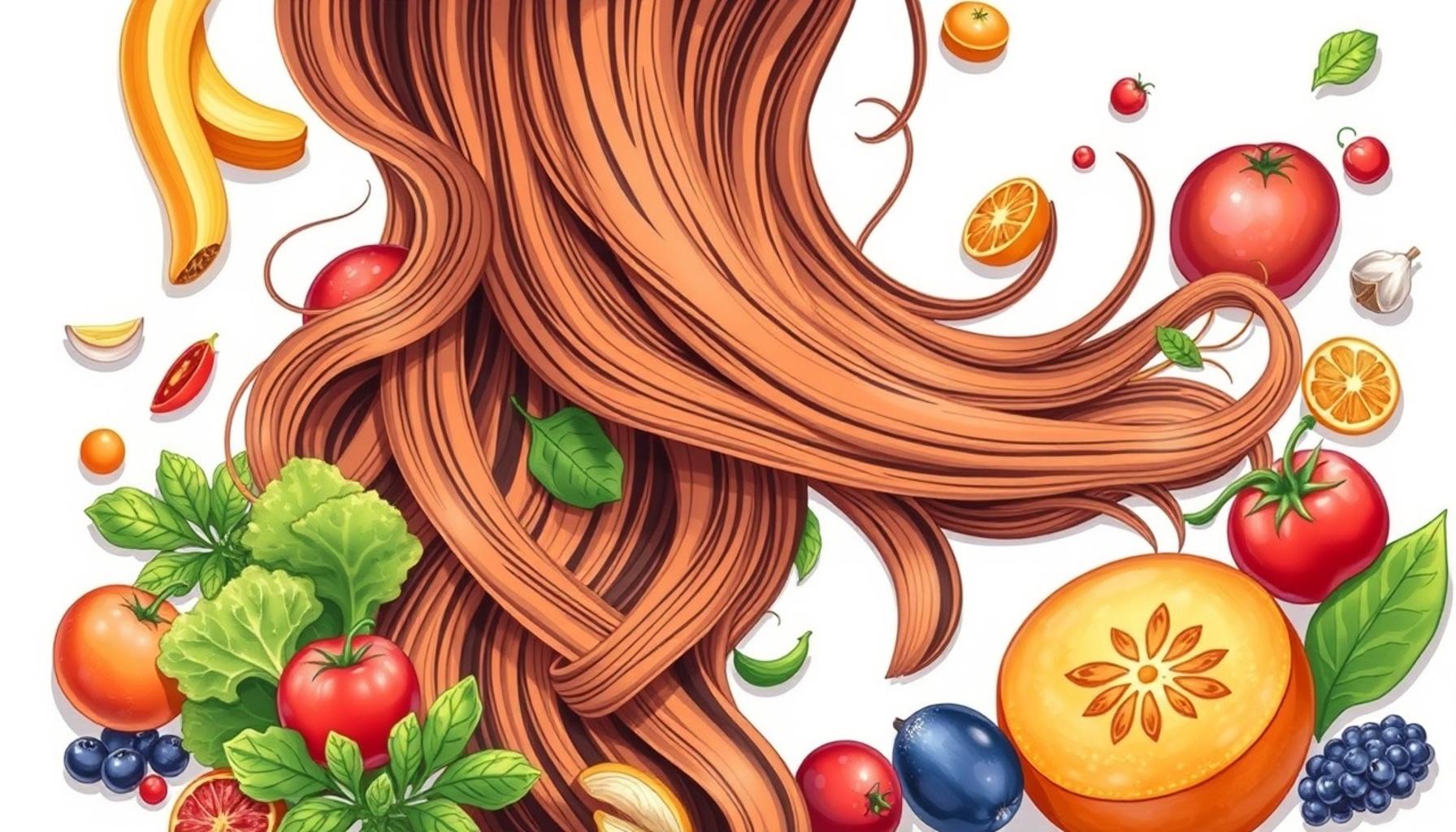
Your hair is often a reflection of your overall health. It’s not just about the products you apply; the food you consume plays a crucial role in maintaining beautiful, strong strands. A well-balanced diet rich in specific nutrients can promote healthy hair growth and combat hair loss.
Several key nutrients are vital for hair health, including:
- Proteins: Essential for hair structure, as hair is primarily made of keratin. Since hair composition includes about 90% keratin, incorporating adequate protein sources in your diet, such as chicken, fish, beans, and legumes, is imperative for strengthening hair.
- Vitamins: Such as Vitamin A, C, D, and E, which support hair follicle health. For example, Vitamin C is critical for the production of collagen, a protein that not only aids in hair strength but also enhances skin health, creating the perfect environment for follicles to thrive. Foods rich in these vitamins include bell peppers, citrus fruits, sweet potatoes, and avocados.
- Minerals: Iron and zinc are critical for strong, shiny hair. Iron helps red blood cells carry oxygen to your hair follicles, while zinc assists in protein synthesis and cell division; both are key in preventing hair loss. Foods such as spinach, nuts, and red meat can bolster your mineral intake effectively.
While many products claim to enhance hair health, nourishing your body from the inside out is the most effective solution. Incorporating specific foods into your diet can significantly boost the vitality of your hair.
For instance:
- Fatty fish: Loaded with omega-3 fatty acids, which keep the scalp hydrated and may improve hair density. Salmon, mackerel, and sardines are excellent sources and can easily be added to your meals for a delicious and beneficial boost.
- Eggs: Packed with biotin, promoting stronger hair strands. An egg a day can be an easy way to ensure you’re getting enough of this critical nutrient, alongside other vitamins like A and D.
- Leafy greens: Greens like spinach and kale provide essential vitamins, particularly folate, which enhances blood circulation to hair follicles, promoting stronger hair growth.
Moreover, a healthy diet not only nurtures your hair but can also improve your skin health and boost your energy levels. Foods rich in antioxidants, such as berries and nuts, are also pivotal in combating oxidative stress which can lead to hair damage and loss.
Understanding this intricate relationship between diet and hair health opens the door to discovering which foods can truly nourish your strands. As we delve deeper into this topic, prepare to uncover a wealth of information that could transform the way you care for your hair, leading you not just to improved hair aesthetics but to an overall healthier lifestyle.
Essential Nutrients for Lustrous Locks
To truly understand how to nourish your strands, it’s imperative to explore the essential nutrients that directly influence hair health. Each component plays a unique role in ensuring your hair remains vibrant, shiny, and resilient.
Among the most vital nutrients, protein stands out as the cornerstone of hair health. Since hair is composed mainly of keratin, adequate protein intake is non-negotiable. This means including high-quality protein sources such as chicken, turkey, fish, eggs, and dairy products in your daily meals. Vegetarian options like quinoa and beans also contribute significantly to your protein needs. A protein-rich diet not only helps repair existing damage but fosters robust hair growth, creating a lush mane.
Vitamins are another crucial aspect of hair health. In particular, Vitamin D has been spotlighted in recent research for its role in creating new hair follicles, which are essential for hair regrowth. A deficiency in Vitamin D can result in hair thinning and increased shedding. Sunlight is a natural source, but including fortified foods like orange juice and dairy, as well as fatty fish, can elevate your levels effectively.
The B-vitamins, especially biotin, are also paramount. Biotin has gained popularity for its reputation as a hair-loss remedy, helping to strengthen hair and prevent breakage. Eggs are a fantastic source of biotin, while other foods like nuts and seeds, sweet potatoes, and spinach further support your body’s need for this vital vitamin. Incorporating these foods regularly can help boost your hair resilience and shine.
Minerals like zinc and iron are also indispensable for maintaining healthy hair. Zinc plays a crucial role in tissue growth and repair, including the scalp. A deficiency might lead to brittle hair and even hair loss. Rich sources of zinc include pumpkin seeds, chickpeas, and lean meat. Meanwhile, iron helps nourish the hair follicles by ensuring a healthy flow of oxygen. Dark leafy greens like spinach and kale, along with beans and fortified cereals, are excellent sources to consider.
Additionally, we mustn’t overlook the role of fatty acids in our diets. Omega-3 fatty acids, found in fish such as salmon and sardines, support scalp health by reducing inflammation and keeping hair follicles well-hydrated. Incorporating these foods can lead to improved hair density while also contributing to overall scalp wellness.
Lastly, incorporating antioxidant-rich foods, like berries, nuts, and dark chocolate, can combat oxidative stress. This is crucial as oxidative stress has been linked to hair aging and loss. By nurturing your body with a diet rich in these powerful antioxidants, you can reduce the risk of hair damage from environmental stressors.
As you delve into the world of nutrition and hair care, remember that each bite brings you closer to not only achieving your hair goals but also enhancing your overall well-being. By integrating these nutrient-dense foods into your diet, you can unlock the potential for stronger, healthier, and more radiant strands.
The Role of Nutrients in Hair Health
When discussing the impact of diet on hair health, it’s essential to understand which specific nutrients play pivotal roles. A balanced intake of vitamins and minerals not only promotes strong strands but also combats common hair issues such as brittleness, loss, and premature graying. Each nutrient serves a distinct purpose:
Protein: The Building Block of Hair
Hair is primarily made up of a protein called keratin. Therefore, ensuring an adequate intake of high-quality proteins is fundamental for hair growth and strength. Foods such as lean meats, fish, eggs, legumes, and nuts are great sources of protein that help maintain robust hair follicles. Moreover, protein contributes to the structure of hair, making it resilient against damage from styling and environmental factors.
Omega-3 Fatty Acids: For a Healthy Scalp
Omega-3 fatty acids, found in fatty fish like salmon, walnuts, and flaxseeds, enhance overall scalp health. They promote the secretion of natural oils that keep the hair moisturized. A well-hydrated scalp is less prone to conditions such as dryness and dandruff, which can negatively impact hair growth.
Biotin and Vitamins: Essential for Growth
Biotin, a B-vitamin, plays an important role in converting nutrients into energy, which is essential for hair growth. Further, vitamins A, C, D, and E support various bodily functions that indirectly benefit hair health. For instance, vitamin C is vital for collagen production, a protein that strengthens hair fibers. Including fruits and vegetables rich in these vitamins in your diet will offer comprehensive support to your hair.
Iron and Zinc: Preventing Hair Loss
A deficiency in iron can lead to hair thinning and loss. Foods such as spinach, lentils, and red meat supply iron that is crucial for delivering oxygen to hair follicles. Similarly, zinc plays an important role in hair tissue growth and repair, as well as maintaining the oil glands around hair follicles. Foods rich in zinc include oysters, pumpkin seeds, and chickpeas.
Hydration: The Overlooked Element
Finally, don’t underestimate the power of hydration. Drinking adequate water is essential for optimal nutrient absorption and circulation. It helps to keep hair strands moisture-rich and can prevent dryness and brittleness.Each of these categories contributes significantly to hair vitality, ensuring each strand is nourished from within. The effects of these dietary elements are profound, leading to not only healthier hair but also an overall sense of well-being. You might find that by simply adjusting your diet, you have the potential to enhance your hair’s appearance and resilience tremendously.
| Nutrient Category | Function & Benefits |
|---|---|
| Protein | Strengthens hair structure, promotes growth. |
| Omega-3 Fatty Acids | Enhances scalp health, promotes moisture retention. |
| Biotin & Vitamins | Supports hair growth, strengthens fibers. |
| Iron & Zinc | Prevents hair loss, promotes regeneration. |
| Hydration | Promotes nutrient absorption, prevents dryness. |
Foods to Include for Healthier Hair
While understanding essential nutrients is fundamental, knowing which specific foods to incorporate into your diet can make all the difference in achieving optimal hair health. The right combination of meals can address deficiency concerns, strengthen your hair, and enhance its overall appearance.
One powerful group of foods to consider are leafy greens. Spinach, broccoli, and kale are not just trendy salad ingredients; they are packed with essential vitamins and minerals, including iron and calcium, both of which are crucial for hair growth. A study published in the Journal of the American Academy of Dermatology found that individuals who consumed adequate iron experienced a lower incidence of hair loss, establishing its significance as a dietary cornerstone for healthy strands.
For those fond of snacking, nuts and seeds emerge as champions in the realm of hair health. Almonds, walnuts, and chia seeds are brimming with nutrients that contribute to a healthy scalp. Nuts are rich in healthy fats, vitamin E, and biotin, which, as previously mentioned, support hair strength and elasticity. A handful of these during your afternoon slump can prevent the urge for less nutritious options while bolstering your hair’s defenses.
Fruit is not to be overlooked, with berries leading the charge as an antioxidant powerhouse. Blueberries, strawberries, and blackberries are rich in vitamin C, which aids in collagen production—an essential protein for hair structure. Furthermore, vitamin C helps in the absorption of iron, maximizing its benefits when paired with iron-rich foods. Incorporating a variety of these fruits into smoothies or as snacks can work wonders for both hair and skin.
Moreover, fatty fish, illustrative of the importance of diet, should be a mainstay on your grocery list. In particular, salmon and mackerel provide a wealth of omega-3 fatty acids, which, as previously noted, promote scalp health. Recent studies have indicated that omega-3s may not only enhance hair thickness but also reduce hair loss. Adding grilled salmon to your weekly meal plan may prove invaluable for those struggling with thinning hair.
For those with a sweet tooth, consider indulging in dark chocolate. In addition to its rich flavor, dark chocolate provides essential minerals such as zinc and iron, and is also a source of flavonoids that can improve blood flow and circulation to hair follicles. A moderate intake can satisfy cravings while delivering nourishing benefits directly to your hair.
Finally, don’t underestimate the role of hydration. Though not a food in the traditional sense, drinking ample water is critical for maintaining the health and integrity of your hair. Dehydration can lead to dry, brittle strands that are more prone to breakage. Aim for at least eight glasses a day, while also consuming hydrating foods like cucumbers and watermelon, to promote not just health, but vitality within your hair.
By exploring the vast array of food options available and understanding their specific benefits, you can create a diverse, nutrient-rich diet that serves as the foundation for not only healthy hair but overall well-being. The journey to beautiful strands begins with your plate, so make informed choices and watch how your hair responds.
Conclusion: Nourishing Your Hair from Within
As we’ve explored, the link between diet and hair health is not merely anecdotal, but firmly rooted in scientific evidence. The foods we consume—rich in vitamins, minerals, and healthy fats—play a significant role in the vitality and strength of our hair. By integrating a variety of nourishing options into your meals, from leafy greens to fatty fish, you can substantially improve the quality of your strands.
The benefits of maintaining a well-rounded diet extend far beyond aesthetics; a balanced intake optimizes internal health, positively impacting your hair’s growth and resilience. The importance of hydration cannot be overstated either, as water intake is crucial for maintaining moisture and reducing brittleness in hair. Remember, it’s not just about the occasional nutrient boost but rather about establishing a long-term commitment to a healthy dietary lifestyle.
While you may have specific hair concerns, such as thinning or breakage, adopting a nutrient-rich diet can be transformative over time. As you nourish your body with whole foods and maintain hydration, you’re not just fueling your hair’s growth but also cultivating a lifestyle that prioritizes overall wellness. So, take a moment to evaluate your dietary habits: are you including the foods that fortify your hair? With informed choices made at the grocery store, you can unlock the potential of your hair’s health, turning everyday meals into an opportunity for growth and shine.

Linda Carter
Linda Carter is a writer and beauty expert specializing in skincare, self-care, and personal wellness. With extensive experience helping readers discover effective routines, trusted tips, and confidence-boosting practices, Linda shares her knowledge on our platform. Her goal is to empower readers with practical advice and thoughtful strategies to enhance their natural beauty, feel their best, and embrace a healthier, more confident lifestyle.