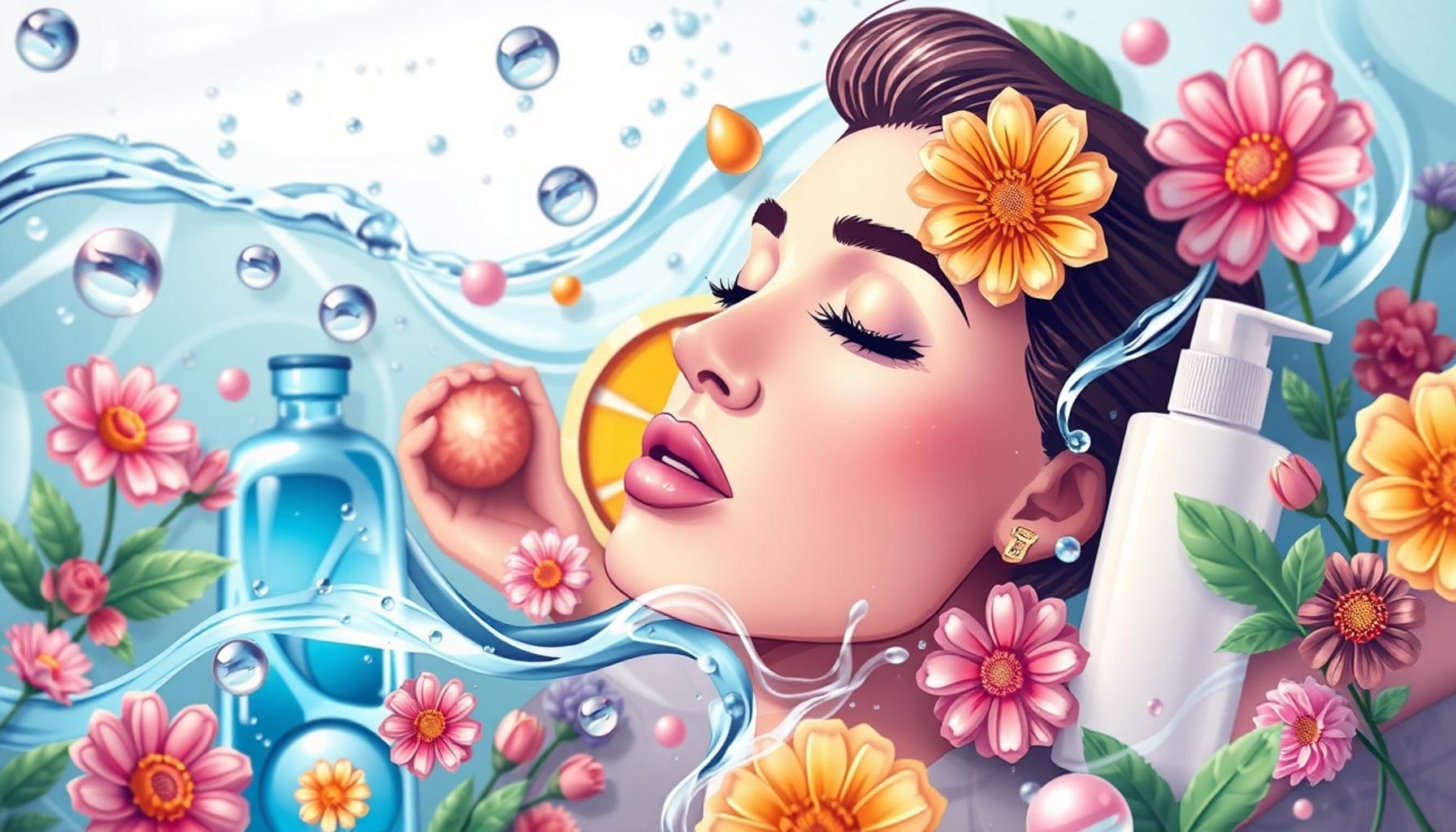
The Rise of Natural Ingredients in Body Skincare: Benefits and Trends
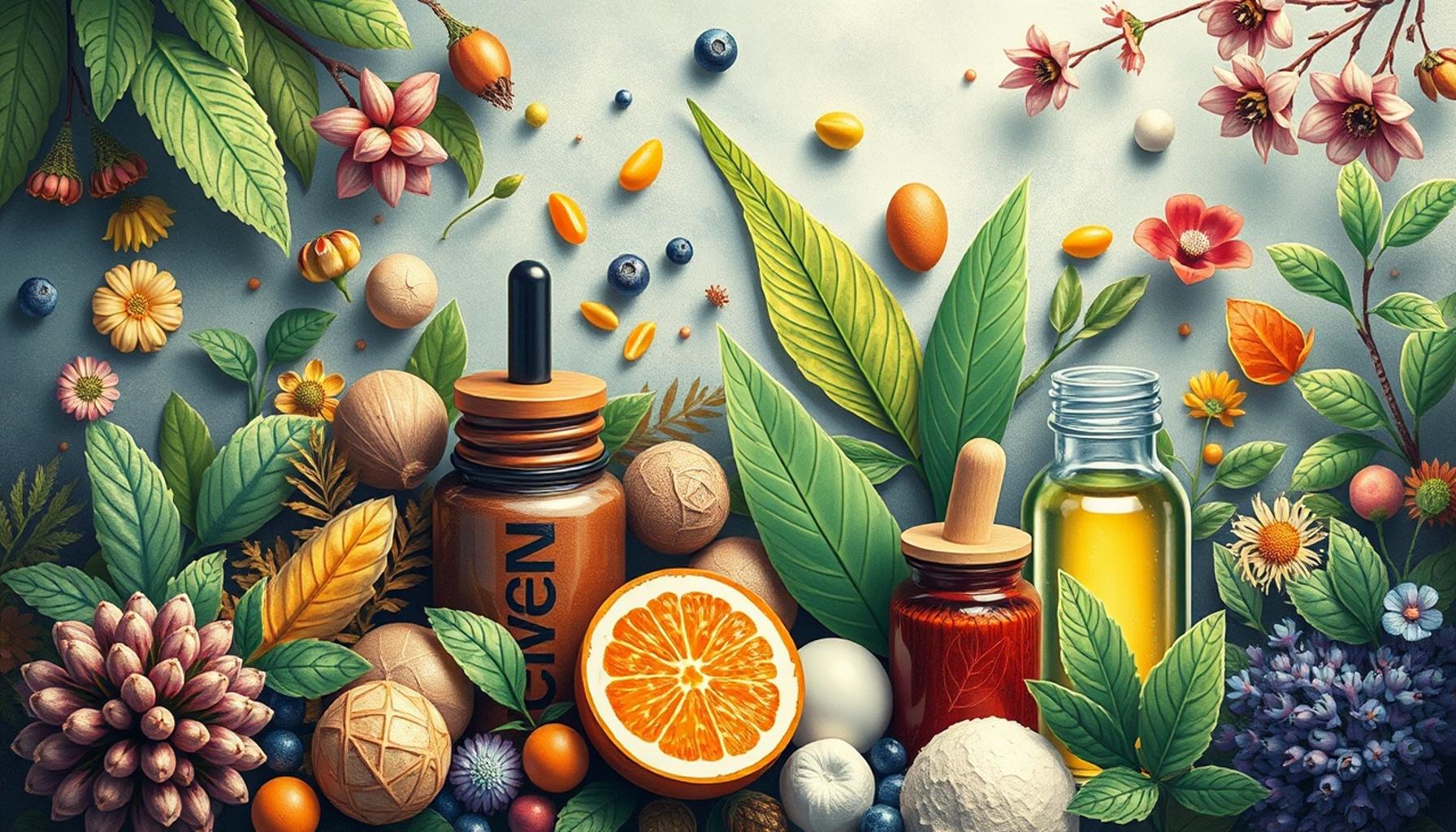
Understanding the Shift Towards Natural Body Skincare
The landscape of body skincare is significantly evolving, driven by a growing consumer preference for products made from natural ingredients. This trend goes beyond mere aesthetics; it demonstrates a profound shift in consumer awareness and a desire for healthier, sustainable choices. Today’s consumers are not just passive buyers but informed individuals who actively seek products that align with their values regarding health and environmental impact.
Health consciousness stands at the forefront of this movement. Many consumers are turning to skincare lines free from synthetic chemicals, which have been linked to potential health risks. For instance, many traditional skincare products contain parabens and sulfates, substances known to irritate skin and disrupt hormones. Natural alternatives, often featuring plant-based compounds, present a safer option. Ingredients such as essential oils not only provide fragrance but also offer therapeutic properties without the associated risks of synthetic counterparts.
Sustainability is another critical factor driving the adoption of natural skincare products. Many brands are now prioritizing renewable resources and sustainable sourcing, reflecting consumers’ desire for a minimal environmental footprint. For example, the rise of biodegradable packaging and ethically sourced ingredients showcases brands’ commitment to protecting the planet. Companies like Ethique have pioneered solid bars for shampoo and body wash, moving away from plastic packaging and contributing to waste reduction.
Effectiveness is equally paramount, as users report positive results from natural formulations. Consumers are increasingly experiencing the best skin of their life using products enriched with vitamins and antioxidants found in natural ingredients. For instance, Aloe Vera is not just a popular plant; it contains polysaccharides that promote healing and hydration, making it a staple in after-sun care products. Similarly, Coconut Oil has garnered attention for its dual role as a moisturizer and antibacterial agent, demonstrating tangible benefits in healing dry skin or fighting off infections.
Adding to the list of sought-after ingredients, Shea Butter is widely favored for its deep moisturizing properties. This natural butter, derived from the nuts of the shea tree, is rich in fatty acids and vitamins A and E, making it an excellent choice for preventing skin dryness. Users of shea butter often note its incredible ability to soften skin while providing a protective barrier against environmental stressors.
As a clear response to this consumer demand, skincare brands are increasingly reformulating products that highlight these powerful natural ingredients. This transformation signals the dawn of a new era in body skincare, emphasizing transparency and authenticity. As we delve further into this article, we will explore the myriad benefits of these natural components and the latest trends sweeping across the skincare market, focusing on what this means for consumers and the beauty industry as a whole.
Exploring the Benefits of Natural Ingredients in Body Skincare
As consumer preferences shift towards more natural offerings, understanding the specific benefits of natural ingredients becomes paramount. One of the most compelling motivations for this transition lies in the perception of safety. Many shoppers have become savvy about the ingredients that populate their skincare products, leading to a demand for formulations that are not only effective but also free from harmful substances. Natural ingredients offer an appealing alternative, often containing fewer irritants and allergens than their synthetic counterparts. This raises the question: what specific benefits do these natural elements bring to body skincare?
First and foremost, natural ingredients are often packed with essential nutrients that are beneficial for skin health. For example:
- Jojoba Oil – This liquid wax closely resembles human sebum, making it an excellent moisturizer. Its non-comedogenic properties ensure it won’t clog pores, allowing the skin to breathe freely.
- Tea Tree Oil – Noted for its antimicrobial and anti-inflammatory qualities, tea tree oil is a go-to for those battling acne-prone skin. Its ability to minimize breakouts makes it a staple in many natural skincare routines.
- Honey – A natural humectant, honey attracts moisture and keeps the skin hydrated. Rich in antioxidants, honey also provides soothing properties that can promote skin repair and diminish signs of aging.
Furthermore, many natural ingredients carry historical significance and have been used for centuries in various cultures for their therapeutic properties. For instance, argan oil, derived from the nuts of the argan tree in Morocco, has been utilized for its moisturizing capabilities by local women for generations. In recent years, its popularity has surged across the globe, solidifying its place in many mainstream skincare lines.
Another significant advantage of natural ingredients is their environmental alignment. Many consumers are not only conscious of what they put on their skin but also the broader impact of their purchases. Brands embracing natural ingredients often undergo rigorous sourcing practices aimed at ensuring sustainability and ethical production. This resonates with the growing consumer demand for transparency within the beauty industry. Packaging innovations, like recyclable materials and minimalistic designs, further enhance this eco-friendly approach.
With this focus on natural ingredients, the body skincare market is witnessing a remarkable transformation. Brands are reformulating existing products to incorporate these elements, while new players are entering the market with innovative offerings shaped by consumer desires. This shift toward natural body skincare is indicative of a larger and more profound change — one that prioritizes not just personal health, but also planetary wellness.
As we continue to explore this topic, it will be essential to dive into the emerging trends precipitated by this shift and how they inform not only consumer choices but also the direction of the skincare industry as a whole.
| Category | Details |
|---|---|
| Natural Ingredients | Derived from plants, seeds, and minerals; often free from synthetic substances. |
| Skin Benefits | Hydration, nourishment, and reduced irritation; ingredients like aloe vera and coconut oil are trending. |
| Consumer Demand | Growing interest in clean beauty; transparency in sourcing influences purchasing decisions. |
| Sustainability | Many consumers prefer brands with sustainable practices; eco-friendly packaging is essential. |
The trend towards using natural ingredients in body skincare has been fueled by increasing consumer awareness and interest in what goes into their products. Ingredients such as shea butter, jojoba oil, and plant extracts are praised not only for their beneficial properties but also for being more environmentally friendly compared to conventional products. Additionally, with the rise of social media, brands showcasing these natural solutions can reach wider audiences, making these ingredients more mainstream. As consumers prioritize health and wellness, it is evident that the body skincare market is evolving. The future promises an intersection of science and nature, focusing on not just efficacy but also sustainability and sustainability in sourcing. The integration of these elements opens the possibility for innovative products that cater to both skincare and eco-conscious needs.
Current Trends Driving the Popularity of Natural Ingredients
The rise of natural ingredients in body skincare is not merely a passing trend; it is a movement underscoring a significant shift in consumer preferences and lifestyle choices. As awareness of environmental issues grows and a desire for holistic wellness takes root, these trends are shaping the landscape of the skincare industry in profound ways.
One of the most notable trends is the clean beauty movement. Defined by an emphasis on transparency and the avoidance of harmful chemicals, clean beauty celebrates products that promote skin health without compromising safety. According to a report by Grand View Research, the clean beauty market is expected to reach $11.5 billion by 2027, which suggests a robust future fueled by informed consumer choices and a collective push for products that are as ethical as they are effective. Consumers are increasingly scrutinizing labels and seeking brands that disclose their ingredient lists, paving the way for those that prioritize natural formulations.
Social media platforms play a pivotal role in this movement, providing a space for brands to share their stories and connect with consumers on a personal level. Influencers and bloggers advocate for various natural ingredients, amplifying their benefits and fostering a community of like-minded individuals committed to body skincare that harnesses the power of nature. Amidst the plethora of online reviews and tutorials, testimonials about successful natural remedies become the new currency of trust in product selection.
Moreover, the science of natural ingredients is evolving, as ongoing research uncovers their multifaceted benefits. For instance, the incorporation of plant-based antioxidants, such as resveratrol from grapes and phytochemicals from green tea, is gaining traction due to their ability to combat free radicals and promote cell regeneration. These advancements invite consumers to explore products that blend longstanding traditions with modern science, ensuring that natural skincare options resonate with both conventional wisdom and contemporary demands.
In addition to aesthetic benefits, there is an increasing focus on the concept of self-care and mental wellness, further propelling the popularity of natural products. Aromatherapy plays a crucial role in this narrative, with ingredients like lavender and chamomile not only nourishing the skin but also offering therapeutic properties that enhance relaxation and well-being. As consumers seek to create holistic self-care rituals, brands that emphasize sensory experiences through natural scents and calming textures are well-positioned to captivate the market.
Another defining aspect of this trend is the emphasis on sustainable sourcing. Consumers are more likely to support brands that prioritize eco-friendly practices, such as sourcing ingredients responsibly and utilizing minimalistic packaging. Sustainable palm oil, ethically sourced shea butter, and fair-trade coconut oil are just a few examples of how companies are addressing environmental concerns while integrating natural elements into their product lines. The commitment to sustainability resonates powerfully with the conscious consumer, further propelling the demand for natural ingredients in skincare.
As the body skincare industry continues to evolve, understanding these trends sheds light on the overarching narrative of natural ingredients. It is a dynamic ecosystem wherein product efficacy, consumer demand, and environmental stewardship intertwine to reshape shopping behaviors and redefine our notions of beauty in profound, sustainable ways.
Conclusion: Embracing Natural Ingredients for a Holistic Skincare Experience
The rise of natural ingredients in body skincare represents a powerful convergence of consumer awareness, scientific validation, and a desire for sustainability. As consumers increasingly prioritize their health and the planet, brands that embrace this shift towards natural formulations are not only capturing market share but also setting new standards for the industry. The appeal of clean beauty products—characterized by transparency, effectiveness, and eco-friendliness—demonstrates a significant transformation in our approach to skincare.
Furthermore, the emerging trends in self-care and wellness underscore the multifaceted benefits of natural ingredients, transcending mere aesthetics. Ingredients such as plant-based antioxidants, essential oils, and sustainably sourced compounds forge a connection between beauty and holistic well-being, enriching our daily routines with sensory and therapeutic experiences. As the clean beauty movement continues to gain momentum, consumers are empowered to make informed choices that align with their values, demanding products that enhance not only their external appearance but also their overall quality of life.
As we look ahead, the future of body skincare appears to be firmly rooted in nature. With the intersection of scientific innovation and age-old wisdom becoming a cornerstone of product development, consumers will find themselves at the forefront of a skincare revolution. By embracing natural ingredients, we celebrate beauty that is not only skin deep but also harmoniously attuned to the earth and its abundant resources. The quest for healthier skin and a more sustainable world is underway—one ingredient at a time.

Linda Carter
Linda Carter is a writer and beauty expert specializing in skincare, self-care, and personal wellness. With extensive experience helping readers discover effective routines, trusted tips, and confidence-boosting practices, Linda shares her knowledge on our platform. Her goal is to empower readers with practical advice and thoughtful strategies to enhance their natural beauty, feel their best, and embrace a healthier, more confident lifestyle.