The Evolution of Body Wrap Treatments: From Ancient Practices to Modern Innovations
The Evolution of Body Wrap Treatments
The journey of body wrap treatments has been a fascinating odyssey through time, reflecting various cultural practices and beauty trends. From ancient rituals to contemporary spa experiences, these transformations unveil a rich tapestry of techniques designed to enhance beauty and wellness. Body wraps have become synonymous with luxury, relaxation, and self-care, but their origins run much deeper.
Historical Highlights:
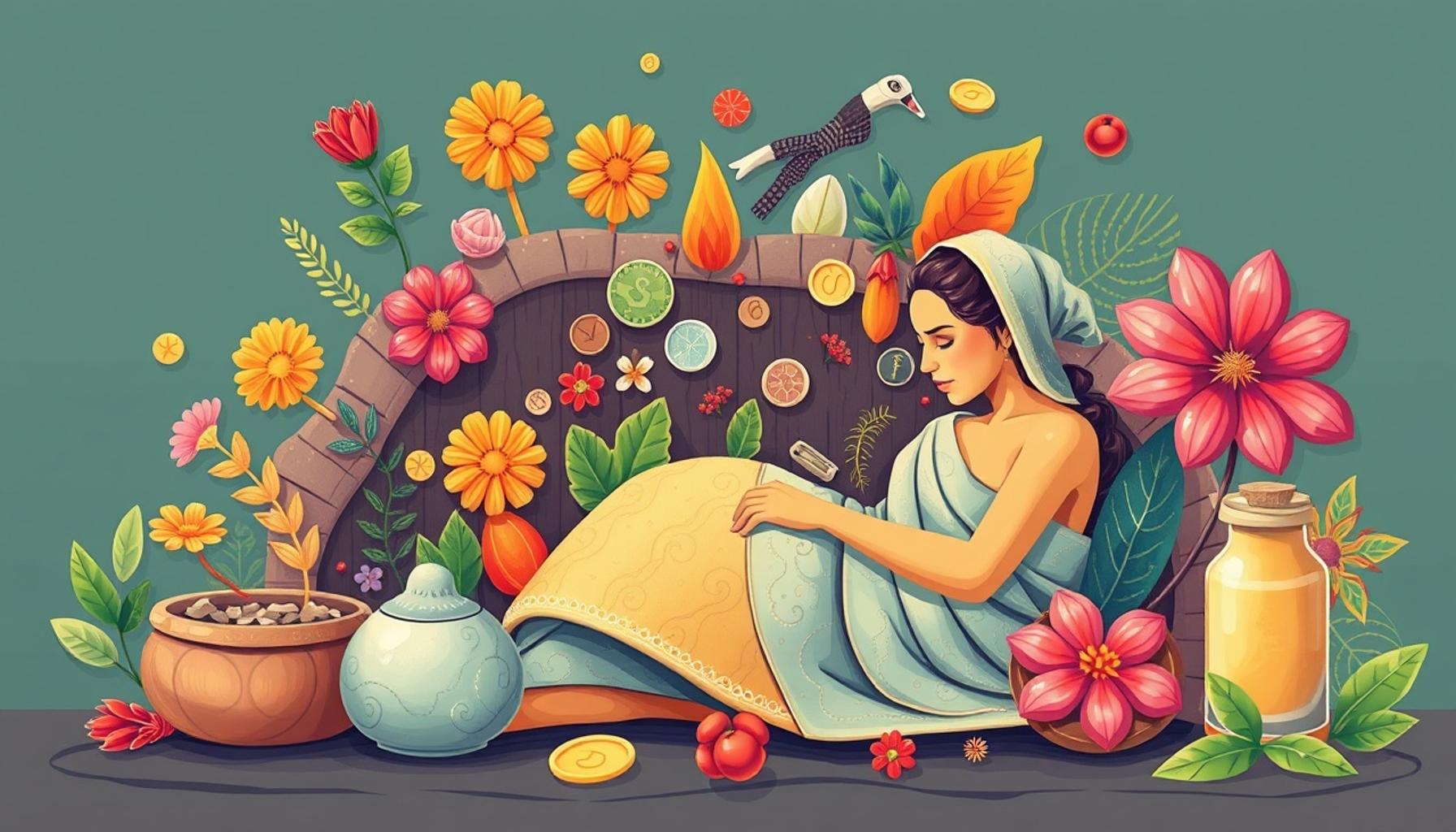
- Ancient Egypt: Often regarded as the birthplace of beauty regimens, ancient Egyptians, particularly Queen Cleopatra, utilized body wraps made from natural ingredients, such as honey and milk, to rejuvenate their skin. These treatments were believed to impart youthfulness and vitality, often performed in conjunction with other rituals to enhance physical allure.
- The Greeks: The Greeks contributed significantly to body care by incorporating herbal infusions into their wraps for detoxification. Herbs like chamomile and rosemary were steeped in oils and used to create soothing treatments that not only nourished the skin but also promoted relaxation and mental clarity.
- Indigenous Cultures: Various indigenous societies around the globe have employed mud and clay in their body wrap rituals, utilizing the natural healing properties found in these materials. For example, Native American tribes often used earth clays in ceremonial contexts as both a physical therapy method and a spiritual cleansing technique, promoting not just beauty but also a connection to the earth.
As we transition to today, the high-tech advancements and a greater understanding of skin health have redefined what body wrap treatments can offer. Clients can choose from a multitude of options, reflecting a blend of tradition and contemporary science, that cater to various needs and preferences.
- High-Tech Materials: Many modern wraps feature performance fabrics infused with essential oils and botanical extracts designed to penetrate deeply into the skin. These sophisticated materials allow spa goers to experience enhanced benefits and comforts that were previously unavailable.
- Thermogenic Wraps: Innovations such as thermogenic wraps have emerged, designed to increase body temperature and stimulate metabolic processes. These treatments aim not just for cosmetic benefits, such as tightening and toning the skin, but also to promote overall wellness through improved circulation.
- Customized Formulations: The modern spa experience emphasizes personalization. Today, many establishments offer customizable body wraps that target specific skin concerns such as cellulite, dryness, or uneven skin tone, using state-of-the-art formulations tailored to individual needs.
As more people seek holistic wellness solutions, understanding the evolution of body wrap treatments reveals not only their historical significance but also their relevance in our modern lifestyles. This exploration highlights how ancient practices have paved the way for innovative treatments available today, demonstrating that the quest for beauty and well-being is timeless.
In the U.S., the increasing popularity of spa culture emphasizes the importance of self-care, encouraging individuals to explore various body wrap treatments as an integral part of their health and wellness routines. From luxury day spas to intimate wellness centers, these treatments offer a moment of respite from the stresses of daily life while connecting us to the rich history of beauty traditions that transcend cultures and centuries.
Traditional Techniques and Their Cultural Significance
As we delve deeper into the fascinating history of body wrap treatments, it becomes evident that each cultural adaptation reflects the values and beliefs of its time. These early techniques, rooted in the natural elements of their surroundings, provided not only physical benefits but also served as methods to connect with the spiritual or social fabric of society.
Ancient Rituals: In ancient Egypt, body wraps were not merely cosmetic; they were elaborate rituals that signified status and purity. The use of ingredients like honey and milk in wraps was not just for skin rejuvenation but also a manifestation of a divine connection to beauty and femininity, especially for figures like Cleopatra. Such treatments were often performed before public appearances or significant events, enhancing their importance.
Eastern Influence: In ancient China and India, body wraps took on different forms, utilizing Ayurvedic principles and traditional Chinese medicine. Herbal pastes, rich in natural minerals and nutrients, were applied to the body, promoting both detoxification and skin health. Over time, these practices evolved, incorporating techniques like steaming and herbal infusions, emphasizing the holistic connection between mind and body.
- Ayurvedic Techniques: In Ayurveda, body wraps known as ‘Udvartana’ focus on exfoliation and rejuvenation, often employing a blend of herbs, oils, and powders that harness the healing properties of nature. These rituals, performed in serene environments, act as a form of meditation, integrating both physical and emotional well-being.
- Traditional Chinese Medicine: The use of warm herbal wraps in Traditional Chinese Medicine targets meridians to enhance energy flow, promoting balance within the body. These ancient techniques underline the importance of harmony and wellness, showcasing how body wrap treatments were tied to greater philosophical principles.
The Role of Nature: Across various indigenous cultures, the materials used in body wraps—such as clay, mud, and herbs—highlight a profound respect for nature’s bounty. For instance, the use of clay in Native American practices was both a healing and a ceremonial act, believed to cleanse the spirit while purifying the body. These natural components offered a holistic approach to health that balanced physical treatments with larger existential beliefs.
These traditional practices laid the groundwork for the modern innovations we see today. As the understanding of health and wellness has progressed, many contemporary body wraps have integrated aspects of these ancient methods, combining time-tested ingredients with advanced technology and skincare knowledge. This fusion not only pays homage to history but also reaffirms body wraps as essential self-care rituals in an increasingly fast-paced world.
As we explore further, the evolution from historical roots to cutting-edge treatments showcases how the demand for aesthetic and therapeutic value continues to shape the landscape of body wrapping, inviting individuals to experience its numerous benefits in today’s wellness culture.
| Category | Advantages |
|---|---|
| Detoxification | Modern body wraps often incorporate natural ingredients like clay, seaweed, and essential oils, promoting enhanced detoxification. |
| Skincare Benefits | These treatments hydrate the skin, improve elasticity, and can reduce the appearance of fine lines, making them a popular choice for rejuvenation. |
Exploring the transition from ancient to contemporary body wrap treatments reveals fascinating innovations that have revolutionized self-care practices. Historically, ancient cultures utilized wraps made from various botanicals, clays, and herbs not just for beautification, but also for spiritual and medicinal purposes. Today, this tradition has evolved into a modern wellness trend, where science and beauty intersect. Incorporating ingredients with proven health benefits, modern wraps often combine essential nutrients and minerals designed to flush out toxins and improve skin health. This shift is marked by increased accessibility and sophistication of methods, including the use of advanced technologies such as infrared heat and therapeutic olfactory components. As people become more aware of the importance of body wellness, body wraps are gaining traction not only as a luxury spa treatment but also as a vital element in holistic health regimes. The versatility of these treatments can cater to specific needs, whether for weight loss, skin tightening, or even relaxation. Enhanced by research, the effectiveness of wraps continues to justify their longstanding place in the wellness toolbox, encouraging everyone to explore the myriad of options available in modern body wrap treatments.
The Rise of Contemporary Body Wraps and Their Diverse Applications
With the foundation laid by traditional techniques, the landscape of body wrap treatments has undergone significant transformation, adapting to modern science and consumer preferences. Today, body wraps are not just seen as luxurious spa treatments but are recognized for their diverse applications across wellness, beauty, and even medical spheres.
The Spa Revolution: The late 20th century heralded the spa revolution, where wellness became synonymous with self-care. Body wraps emerged as a staple treatment in spas, often marketed to detoxify the body, hydrate the skin, and assist in weight loss. Modern spas now offer a range of wraps, from nutrient-dense algae and seaweed formulations to indulgent chocolate and aromatherapy-infused options. This blend of relaxation and treatment showcases how these services cater to a growing consumer need for holistic wellness.
Innovative Ingredients: The evolution of body wraps also corresponds with advancements in ingredients and technology. Healing components such as activated charcoal, essential oils, and high-quality botanical extracts have been introduced, each serving as a targeted response to specific skin concerns. Wraps containing collagen and hyaluronic acid, for example, aim to enhance skin elasticity and hydration, highlighting the modern focus on anti-aging treatments. Furthermore, clinical studies and dermatological research now support the effectiveness of these ingredients, setting the stage for scientifically-backed body wrap offerings.
- Detoxifying Spirulina and Clay: Spirulina body wraps, celebrated for their high protein content and antioxidants, are renowned for their alleged detoxification effects. Meanwhile, clay-based wraps utilize the natural drawing properties of clay to extract impurities from the skin, making them favored choices in contemporary wellness spas.
- Aromatic Blends: Aromatherapy has found its way into contemporary body wraps, with essential oils enhancing both the sensory experience and therapeutic outcomes. Scents like lavender or eucalyptus can create an atmosphere of tranquility while simultaneously supporting emotional well-being.
Medical and Clinical Applications: Beyond wellness and beauty, body wraps have found applications in medical and therapeutic settings. Some healthcare professionals recommend wraps for specific conditions, such as lymphedema or skin disorders like psoriasis. Clinical wraps designed with controlled ingredients and monitored processes promote recovery and help manage symptoms effectively, bridging the gap between traditional practices and modern medicine.
Consumer Innovation and Customization: Today’s consumers are seeking personalized body wrap experiences tailored to individual needs. The emergence of DIY body wrap kits allows for at-home applications, empowering individuals to customize their treatments using natural ingredients from their kitchens or local health stores. This trend speaks to a broader shift toward self-managed health and beauty regimens, reflecting an ongoing desire to connect wellness practices with everyday life.
As the body wrap treatment niche continues to evolve, we witness an exciting interplay of tradition and innovation. The modern consumer’s interest in wellness reflects a deeper understanding of how such treatments fit into an overall philosophy of health, revealing an intricate tapestry woven from ancient practices, contemporary science, and individual preferences.
Conclusion: Bridging the Gap Between Ancient Wisdom and Modern Science
In examining the evolution of body wrap treatments, we uncover a rich tapestry woven from ancient traditions and contemporary innovations. From their roots in ancestral cultures, where wraps were utilized for healing and rejuvenation, to their emergence as contemporary spa staples and medical interventions, body wraps have continually adapted to meet the needs of the modern consumer. The transition from rudimentary techniques to advanced formulations featuring nutrient-rich ingredients and scientifically-backed components illustrates a growing understanding of skin health and overall wellness.
As we delve deeper into the world of body wraps, we recognize that today’s consumers are not only drawn to the luxurious experience these treatments offer but are also increasingly informed about their benefits. The rise of personalized wellness and DIY approaches empowers individuals to take charge of their health and enter a realm where self-care is intimately connected with informed choices. The infusion of aromatherapy, botanical extracts, and clinical formulations into body wraps signifies an ongoing journey toward holistic health.
In conclusion, the story of body wraps reflects broader societal shifts toward integrating ancient practices with modern advancements. As we continue to explore the possibilities of these treatments, we invite readers to consider how a mindful approach to self-care, rooted in both tradition and innovation, can enhance their well-being and beauty routines. The path from ancient practices to modern innovations is not just a historical narrative; it is an ongoing conversation that reshapes our understanding of health and wellness for generations to come.

Linda Carter
Linda Carter is a writer and beauty expert specializing in skincare, self-care, and personal wellness. With extensive experience helping readers discover effective routines, trusted tips, and confidence-boosting practices, Linda shares her knowledge on our platform. Her goal is to empower readers with practical advice and thoughtful strategies to enhance their natural beauty, feel their best, and embrace a healthier, more confident lifestyle.